Solar panels only make power from the light that reaches the cells. When a film of pollen, dust and grime covers the glass, less light gets through. In Statesville, that film builds up faster than most panel owners expect, especially after a heavy spring pollen season.
Rooftop and ground-mounted solar panels should be cleaned with soft brushes and purified water at low pressure. No high-pressure wands, no harsh chemicals, no scrubbing pads.
Why dirty panels make less power
Rain rinses some dirt off panels, but not all of it. Pollen is sticky, and when it gets wet it can dry into a film that rain alone doesn't remove. Bird droppings block light completely on the spots they cover. Panels with a low tilt, and panels under or near trees, collect the most.
How much output drops depends on the panels, their angle and how dirty they are. If your monitoring app shows production slipping on clear, sunny days compared with the same season last year, dirty panels are one possible cause worth checking.
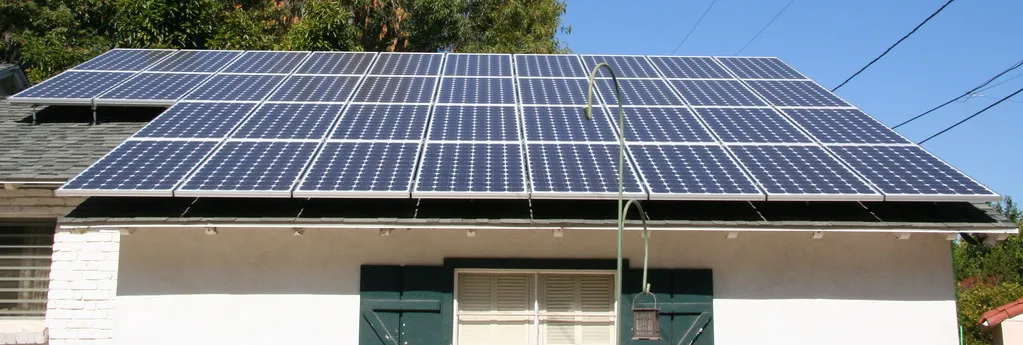
What builds up on panels around Statesville
- Yellow pine pollen. The heaviest spring buildup, and the stickiest once it gets wet.
- Dust and road grime. A light gray film that thickens over the summer.
- Bird droppings. Small spots that block light completely where they sit.
- Leaves and debris. Especially along the bottom edge of the panels and in the gap between panels and the roof.
- Algae and mildew. On shaded panels and frames in our humid summers, usually along the bottom rail where water sits.
How solar panels get cleaned
Check the maker's guidance first
Panel manufacturers publish cleaning guidance, and some warranties depend on following it. Before cleaning, a good technician asks what brand of panels you have and follows the maker's recommendations on water, brushes and cleaning products. If you have your installer's paperwork, have it handy when you call.
Soft brush and purified water
The technician uses a soft-bristle brush and purified water, which has the minerals filtered out so it dries without spots. On most panels, that's all it takes. For heavy grime or bird droppings, a mild, panel-safe soap may be used, but only if the manufacturer allows it.
Low pressure only
Never high pressure. A pressure washer can damage the anti-reflective coating on the glass, push water past the frame seals and stress the panel. Rinsing should be at about garden-hose pressure or less.
Timing the work
Cool mornings are best. Spraying cool water onto hot glass in the middle of a summer afternoon can stress the panel, and soap dries too fast in the heat. Panel cleaning is best scheduled early in the day whenever possible.
Safety on the roof
Rooftop panels mean working on the roof, and panels are slick when wet. The crew should set up proper ladder access and fall protection and use water-fed poles from the ground or ladder when the layout allows. A good crew doesn't walk on panels or lean ladders or tools against them. Ground-mounted panels are simpler, since the work can be done standing next to the array.
The wiring, connectors and inverter stay off-limits too. Cleaning covers the glass and frames only.
What a good technician won't do
- They won't use a pressure washer or a stiff brush on the glass.
- They won't use harsh cleaners or anything your panel maker says to avoid.
- They won't touch wiring, junction boxes or the inverter. If they see loose wires, damaged panels or critter nests under the array, they should let you know so you can call your solar installer.
Pairing it with other services
Panels on a roof with black algae streaks tend to get dirty again faster, since runoff and spores come from the same roof. A soft wash roof cleaning can be planned around the array. Clean gutters matter too, since panels shed water toward the roof edge. And if the house itself needs it, a house wash can be done on the same visit.
How often to clean
Many homeowners here clean panels once a year, in late spring after the pine pollen is done. Panels near trees, with a low tilt or with a lot of bird activity may benefit from a second cleaning in the fall. Watching your production numbers is the best guide.
The price depends on the number of panels, whether they're on the roof or the ground, the roof's pitch and height, and how dirty they are. See our pressure washing cost guide for more on what sets the price, then call (980) 223-3324 for a free quote.
Questions people ask
Can you pressure wash solar panels?
No, and nobody should. High pressure can damage the glass coating and the frame seals. Panels should be cleaned with soft brushes and purified water at low pressure, following the panel maker's guidance.
Will cleaning my panels void the warranty?
Cleaning done the way the manufacturer recommends shouldn't. That's why a good technician asks what brand you have and follows the maker's published cleaning guidance. If you have your installer's paperwork, it's worth checking too.
Does rain clean solar panels well enough?
Rain helps, but sticky pollen, bird droppings and grime often stay behind, especially on panels with a low tilt. If production drops on clear days compared with last year, a cleaning may help.
Do you clean ground-mounted panels?
Yes. Ground-mounted arrays are cleaned the same way, with soft brushes and purified water at low pressure, and they're usually quicker since no roof access is needed.